The driveway, the path from the gate to the front door, is best paved. In this way even the most ambitious project of a landscape architect can be realized. What is the best thickness of paving blocks?
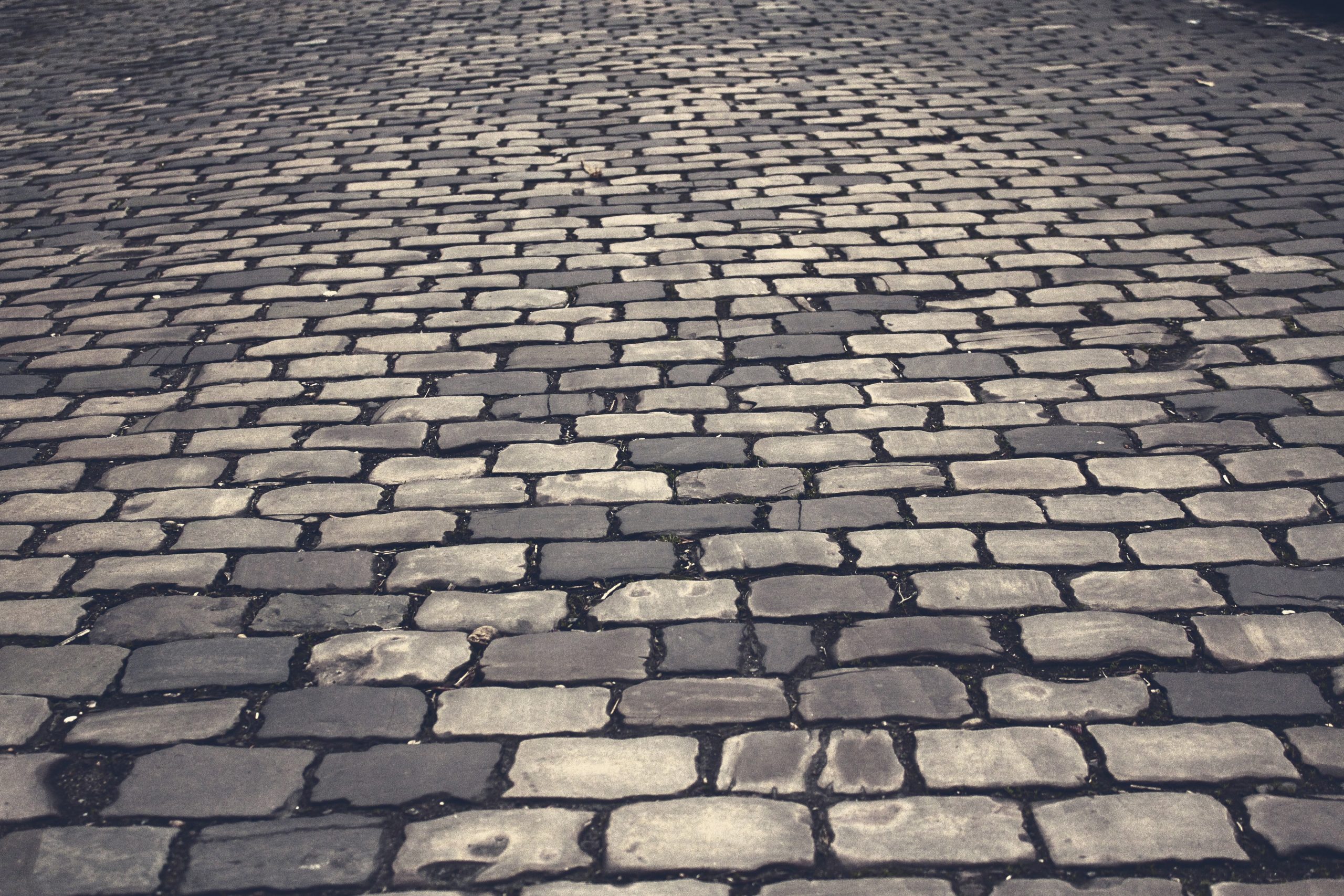
The thickness of paving blocks is of great importance. This parameter determines where the sett is to be laid. The thickness of paving blocks is their resistance to pressure – it is different for building pathways and completely different for parking places. Thus, it is almost impossible to use one cube thickness on the whole property. It should be adjusted to the planned traffic (pedestrian or vehicular) on the area where it will be laid.
Paving blocks 4 cm thick are the thinnest among all types available on the market. It can be used on surfaces intended for pedestrian and possibly bicycle traffic. Paving blocks 4 cm thick will be perfect for garden paths, terrace finishing and sidewalk leading from the gate to the front door. The maximum load of this sett is 2 tons. It can be used for driveways, provided that the weight of the car is not higher than 2 tons.
The most universal paving block is 6 cm thick. It is one of the most commonly laid paving blocks in Poland. Paving blocks of this thickness can be laid on the terrain designed for both pedestrian and car traffic. It is also suitable as a surface for a small parking lot. Many investors choose this thickness of paving blocks.
Paving blocks of the thickness of 8 cm can withstand heavy loads without any problems. It can be used in the place where lorry traffic is expected. This thickness can also be used on parking lots and access roads with heavy traffic.
Paving blocks from 10 cm to 14 cm thick are not used in home gardens. The main reason is high price – over 40 zloty for 1m2. Paving blocks of this thickness are the best for places exposed to heavy loads e.g. building depots, parking of building machines.
Regardless of the sett thickness, the proper foundation has to be made. Mistakes are most often made at this stage, which cause the sett to sink and form ruts. This results in the necessity of carrying out repair works.
The thickness and type of the material used for the foundation should be adjusted to the purpose of the area. If the area will be used for pedestrian traffic, a foundation made of sand between 10 cm and 20 cm is sufficient. A foundation for a driveway or a parking lot is best made of dry concrete with a thickness of 25 cm to 30 cm. If the paved area will be traveled by trucks, the dry concrete substructure should be about 40 cm thick.
Read also: https://grainofhome.com/garden/what-should-a-garden-design-include/