Sponsored article
In contemporary home design, the integration of indoor and outdoor spaces creates not only an aesthetic appeal but also a functional expansion of living areas. By utilizing modern door designs, homeowners can effortlessly blend these environments, providing an inviting flow between the two. The right choice in door materials and styles can maximize natural light and offer a seamless transition, enhancing the overall experience of a home. Discover how to transform your spaces with innovative door solutions.
Choosing the right materials for doors that bridge indoor and outdoor spaces is crucial in creating a seamless transition that enhances both aesthetics and functionality. Modern door materials play a vital role in achieving this harmony, with an array of options that cater to diverse needs and preferences. Key materials include:
Whether you opt for glass, metal, or wood, these modern door materials ensure durability and visual cohesion. For premium sliding and bifold door solutions, turn to Expert Joinery LTD, where diverse material options meet excellent craftsmanship.
Maximizing natural light is pivotal in crafting seamless indoor-outdoor transitions, and contemporary door designs excel in this role. By integrating transparent doors, you harness the dual benefit of unobstructed views and increased daylight, which inherently broadens and brightens interior spaces. Consider the incorporation of expansive glass panels that not only maximize light influx but also blend interiors with the surrounding landscape, instilling a sense of continuity with nature. Light-enhancing features to explore include:
These design elements collectively create a bright and airy environment, showcasing how modern door designs are key to enhancing natural light and promoting an open, inviting atmosphere.
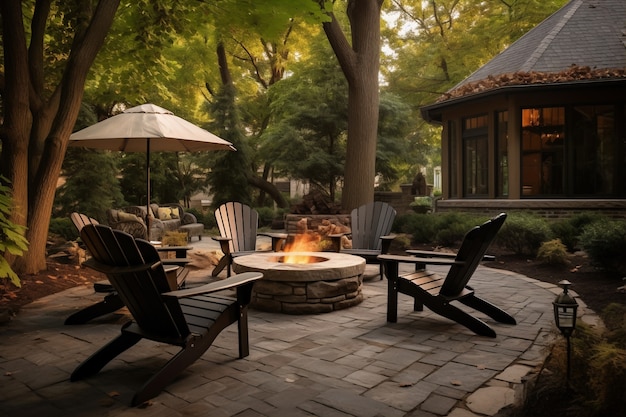
The importance of seamless design in crafting harmonious indoor-outdoor integration cannot be overstated. Seamless design plays a pivotal role in ensuring that transition spaces between homes and their surrounding environment flow naturally, enhancing both aesthetics and functionality. Achieving this seamlessness often begins with aligning floor levels, which allows for an uninterrupted entryway that elegantly blurs the lines between interior and exterior. Incorporating matching materials, such as stone or wood that repeats in both settings, further intensifies this sense of unity by providing a consistent tactile experience. Equally critical is the use of continuous color palettes, which extends visual congruity across different spaces, creating a seamless design that feels intentional and cohesive. These elements of seamless outdoor design not only elevate the architectural appeal but also promote an enhanced lifestyle by facilitating easy movement and visual symmetry, thus forming a perfect blend of comfort and style in transitional spaces.