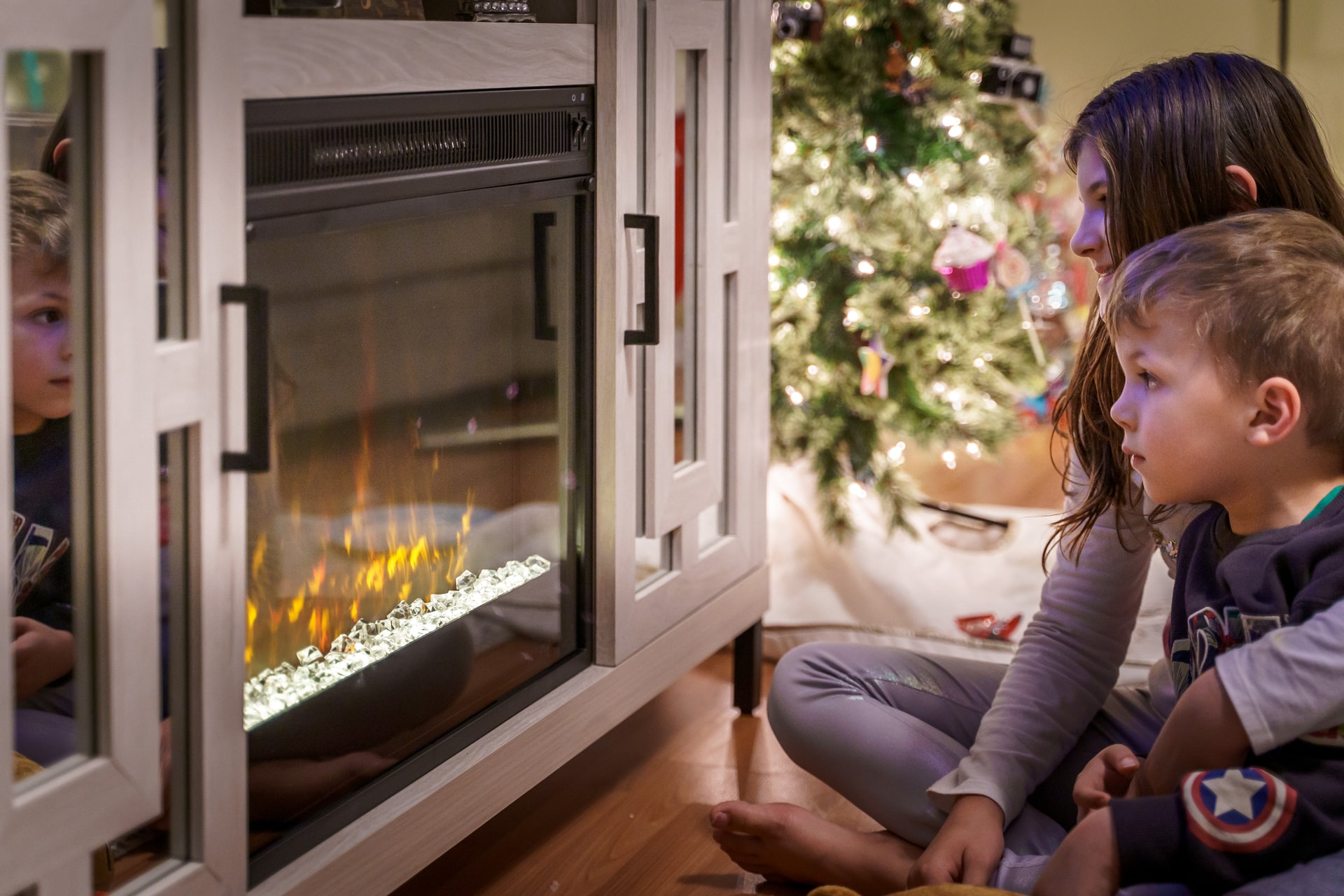
Traditional fireplaces can usually be afforded only by lucky owners of detached houses. For residents of blocks of flats, however, we have a great alternative – bio-fireplaces. What are their characteristics and what is worth knowing about them?
Fireplaces and fire gushing in them add warmth and closeness to every room, however, they cannot be found in all spaces. In apartments, offices, public buildings, but also in single-family homes are much better suited to bio-fireplaces, which are gaining in popularity. Their biggest advantages include: easy and quick installation, no need to connect to the chimney installation, convenient use (no need to remove ashes), the possibility of installing free-standing models on terraces or balconies and the lack of official permits. What else is worth knowing before installing a bio-fireplace?
Bio-fireplaces can look like traditional models. Usually they are built of stainless steel and glass. These devices burn biofuel, in liquid or gel form, and not wood, thanks to which no fumes or smoke are produced. Instead, they produce carbon dioxide and water vapor, which further humidifies the air. Biofuel is made from ethyl alcohol from biomass. Before lighting it on fire, it has to be placed in a special tank in the hearth of the bio-fireplace. It is worth noting that despite their alternative operation, bio-fireplaces also produce heat. There is a live fire inside the appliance thanks to which the temperature in a given room can rise by several degrees. However, remember that bio-fireplaces, due to their insufficient heating power, cannot replace the main source of heating and they are only an addition to it, fulfilling a decorative function at the same time.
Although ecological fireplaces can be placed in almost any room, during their installation we should remember about safety rules. First of all, bio-fireplaces should not be installed near flammable materials. Make sure that the source of heat is not too easily accessible to children and animals. Moreover, take care of a natural ventilation system in the room where you plan to place the device. Due to the production of carbon dioxide you should ventilate the room regularly.
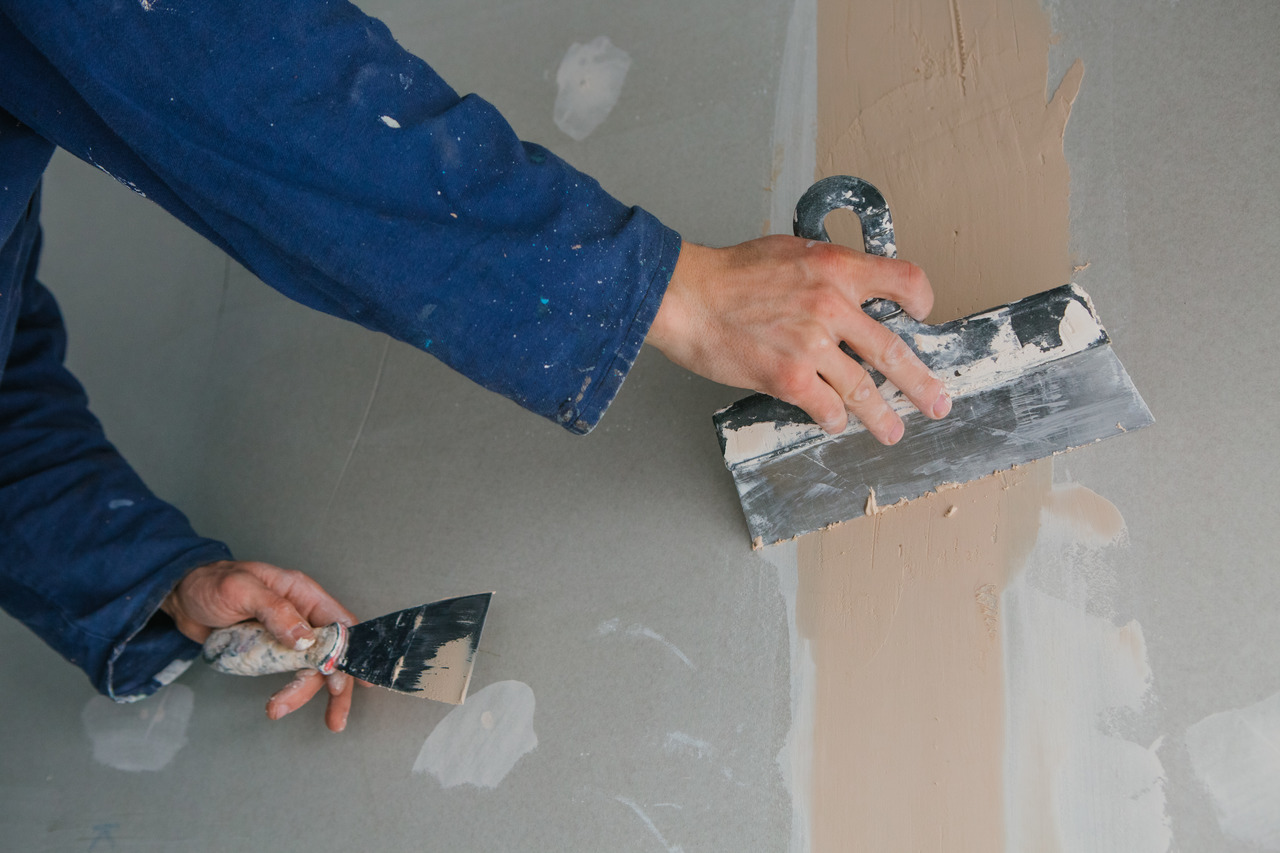
Bio-fireplaces are the easiest to place or hang in a chosen place, but they can also be built in, for example with plasterboard, which will emphasize their decorative function. Freestanding models are the easiest to install, you just need to put them in a casing and then fill the tank with biofuel. Hanging bio-fireplaces are much more difficult to install – in their case it is necessary to drill holes, place support brackets and only then hang the device.
main photo: unsplash.com/NATHAN MULLET