A box vegetable garden is a great solution for people who don’t have the opportunity to start a normal vegetable garden. Growing vegetables in boxes on a balcony or patio is very similar to growing them in the ground. How can you start your own box vegetable garden?
What do I need to know about the vegetable box?
Growing vegetables in crates has become a very popular solution. Such crates for a vegetable garden are usually created from pallets or boards. You can also buy ready-made hothouse crates in stores. Vegetable garden in boxes is ideal for people who have little space in the garden, but have a balcony or terrace.
Before setting up a box vegetable garden, there are some important things to consider:
whether the plants to be grown in the boxes are suitable for such cultivation;
where the box will be placed – the plants need plenty of light;
the soil should be suitable for the vegetables you are growing.
Advantages of a box vegetable garden
the soil in the boxes warms up faster, so you can sow vegetables and harvest faster,
only new fertile soil is poured into the boxes, so the plants grow better;
organic vegetables;
savings in the household budget.
Making your own vegetable crates
Making a vegetable crate yourself is not difficult. Remember that the length of the box should not exceed 140 cm, and its height is a very individual matter. In small gardens, it should be min. 20 cm high. Between the boxes should be a minimum of 30 cm wide, so that you can move between them without problems.
>> See also: Useful garden tools for beginners
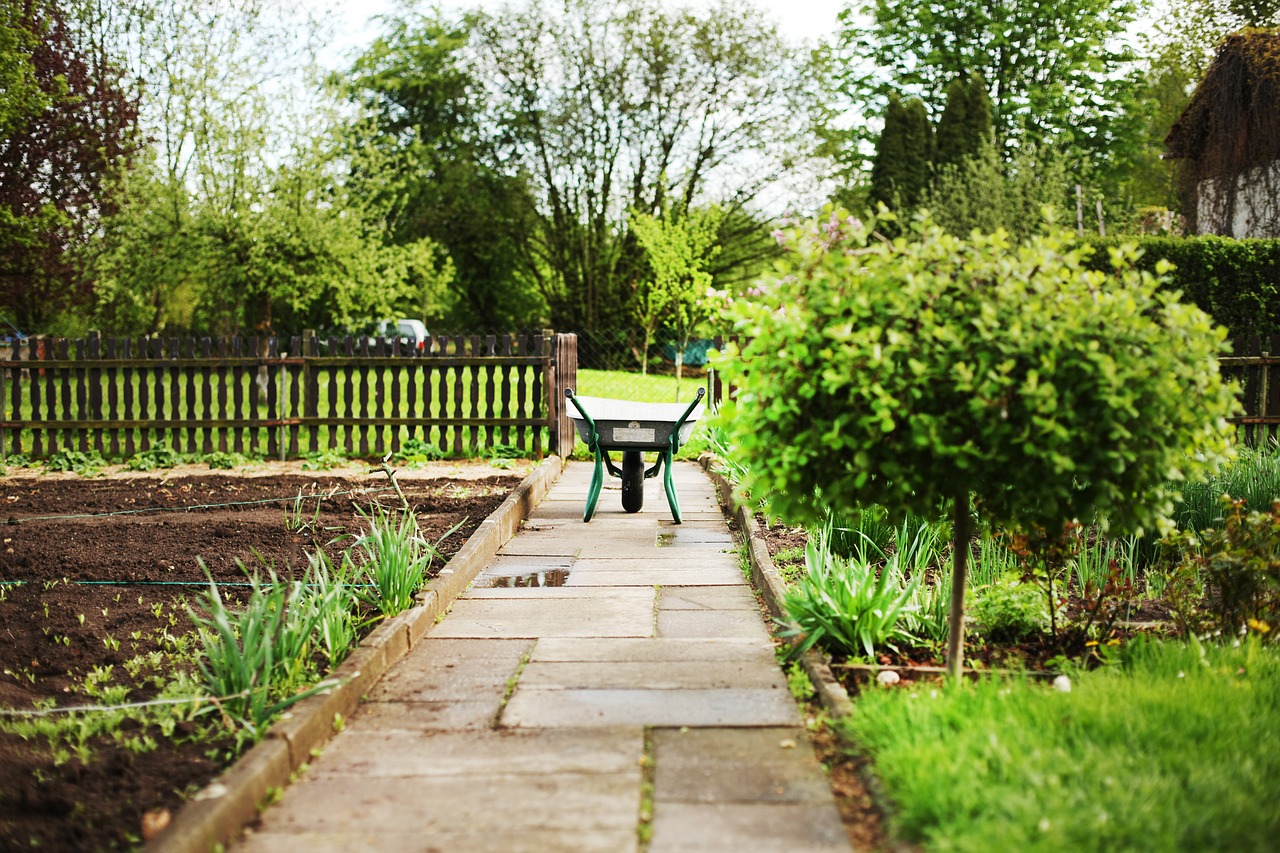
The paths between the boxes should be weeded and sprinkled with bark, gravel or wood chips. This will not only make the path look nice, but also less overgrown with weeds.
DIY crate making
To make a vegetable box will be the best boards with a thickness of 2 cm, which should not be impregnated. The boards should be joined together using strips and screws.
Vegetable garden on your patio or balcony
Important considerations when growing vegetables on a terrace or balcony are:
the bottom of the box should be protected with foil and the box should be in a sunny place;
the plants in the box should be provided with adequate drainage, for example: with expanded clay or other stones;
the soil should be adapted to the requirements of the vegetables grown;
when growing vegetables in boxes, remember to water them regularly;
if the balcony or terrace is small, the soil should be adapted to the requirements of the vegetables;
if the balcony or terrace is small, make sure the vegetable garden is practical and aesthetically pleasing, e.g. by sowing plants in even rows.
Setting up a vegetable garden step by step
Make or buy a box for the vegetable garden.
If the box will be located on a balcony or terrace, then you need to line the bottom of it with foil, on which you will spill stones that will act as drainage. Boxes for planting vegetables in the garden do not have a bottom of wood, so you need to put a metal mesh on the ground, which will protect vegetables from rodent attacks.
The inner boards of the box should be protected with a bucket membrane.
Lay black and white newspaper on the bottom of the box, which will be covered with sticks or straw and then covered with compost.
Pour the pre-mixed soil and peat into the box.
Use slats to divide the beds, through which you can keep the crops in order.
Which vegetables can be grown in a box?
You can actually grow all vegetables in crates. Only vegetables that have similar growing requirements should be grown in one box. The best vegetables to grow in crates are:
dill,
arugula,
chives,
parsley,
radishes,
butter lettuce,
cherry tomatoes.
Care of the vegetable garden in boxes
The height of the box should be matched to the size of the root system of the plants that you plant in them. Vegetables that have extensive roots should be planted in higher boxes. For cucurbit crops, the crate must be very wide. Remember that vegetables grown in crates require regular fertilization and watering.
Wondering if it's worth it to opt for an envelope roof? Do you want to know what its advantages and disadvantages are? Then be sure to take a look at our guide and find out.