Trending

Gable roof step by step

Gable roof step by step
/
/
ConstructionRoof
It takes approx. 5 minutes to read this article

The roof is not only a decorative element, but first of all it is the crowning of the building and fulfils certain functions. Erecting the roof is a very important stage during the construction of a single-family house. It is a complicated, multi-stage process that needs to be carefully planned and professionally handled because roof repairs and renovations are very costly.

Roof functions and types

The roof protects and shields the building from the elements, aids in the drainage of rainwater, but most importantly it has a thermal insulation function. Depending on the season it keeps the building warm or cools it down. There are different types of roof depending on the investor’s preferences and development conditions. The most common are: gable, hipped, multi-sloped and abutment roofs. The most popular and most often designed is the gable roof, which is also considered the simplest and most economical in construction. The layout of the gable roof gives many possibilities during the adaptation of the attic. In the case of a gable roof you can get much more space than in the case of a hipped roof

Stages of gable roof construction

The roof consists of two main parts: load-bearing structure, which forms its skeleton and covering, i.e. finishing. Correct workmanship of the roof is a guarantee of long-term use of the house without the risk of leaks or the appearance of moisture. Let us, therefore, take a look at how a gable roof is created step by step.

First stage – roof design

Roof design depends on the type of house and investor preferences. The design also takes into account such things as the number and placement of roof windows or dormers and the degree of roof pitch. At the design stage, the investor should also decide on the type of roofing material, as this has a large impact on the load on the structure. The most popular are: ceramic or concrete tiles or metal sheet

Second stage – roof trusses

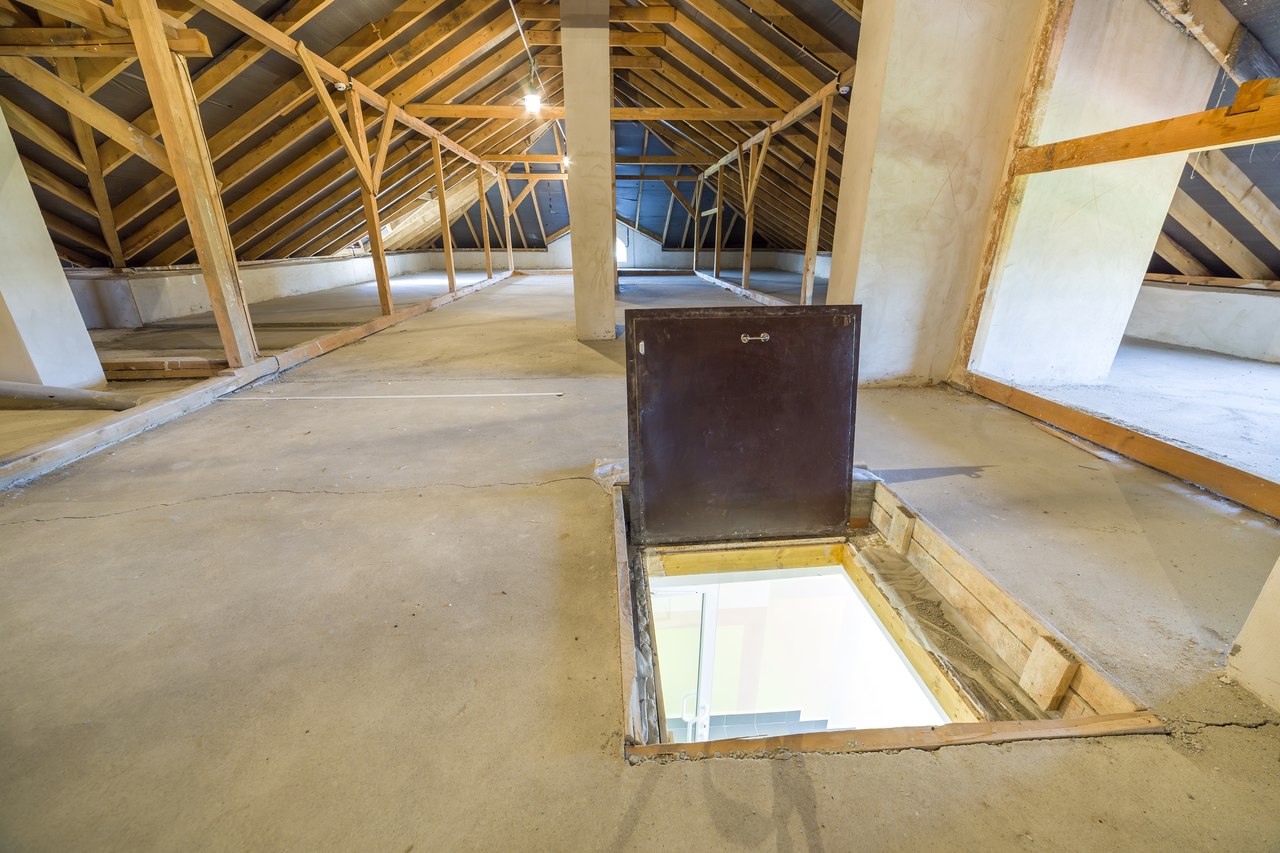
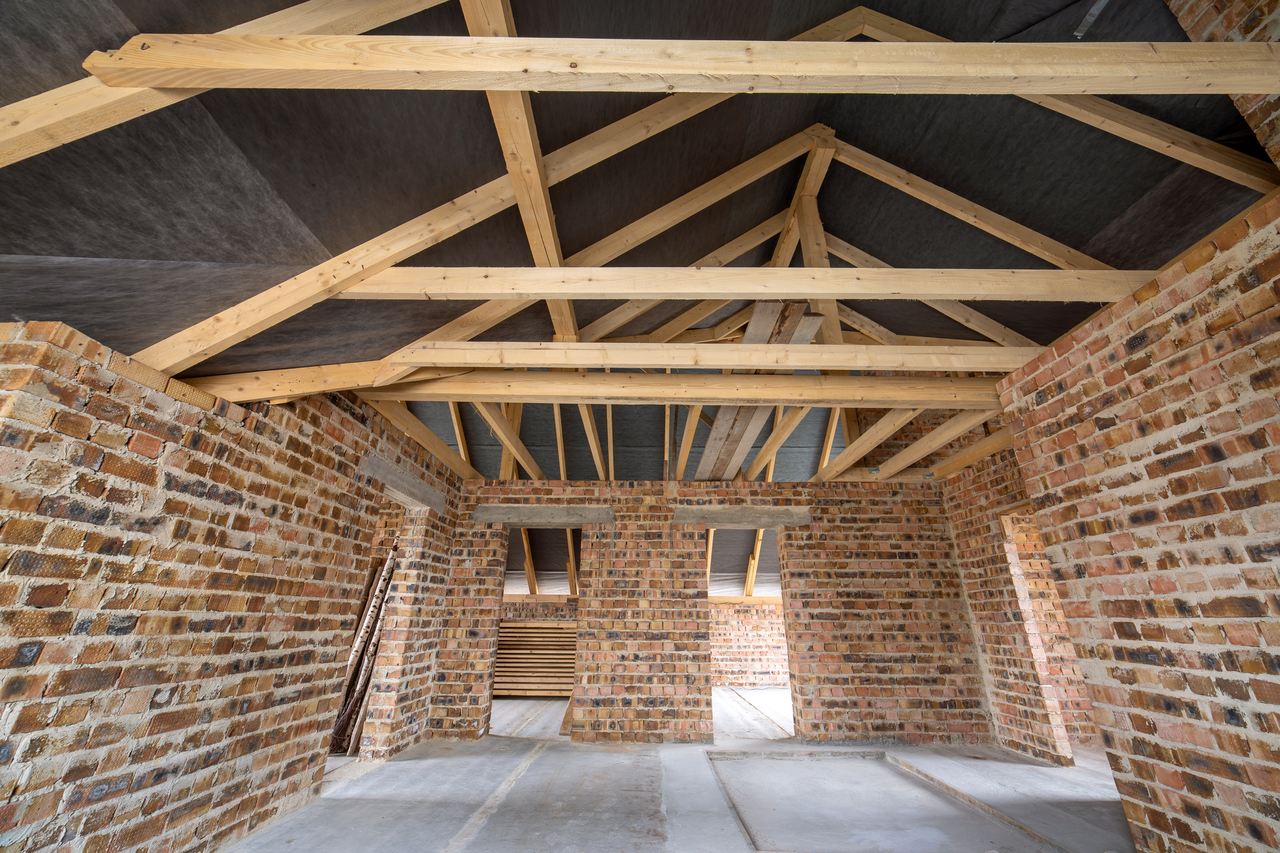
There are several types of roof trusses: collar beams, rafters and purlin and collar beam trusses. The type of roof truss is influenced by the shape of the roof and the size of the building, specifically its width. At this stage it is advisable to choose a reliable carpentry crew because the stability of the roof will depend on a solidly constructed structure. It is also necessary for the framing contractors to familiarize themselves with the roof design. Building of rafter framing starts with fixing of base elements, i.e. sill plate – the element that holds the rafters. Next comes the installation of rafters, i.e. the beams that are mounted at an angle from the ridge, i.e. the highest point, to the load-bearing walls on which the structure rests. The rafters carry the weight of the roofing and the structure itself
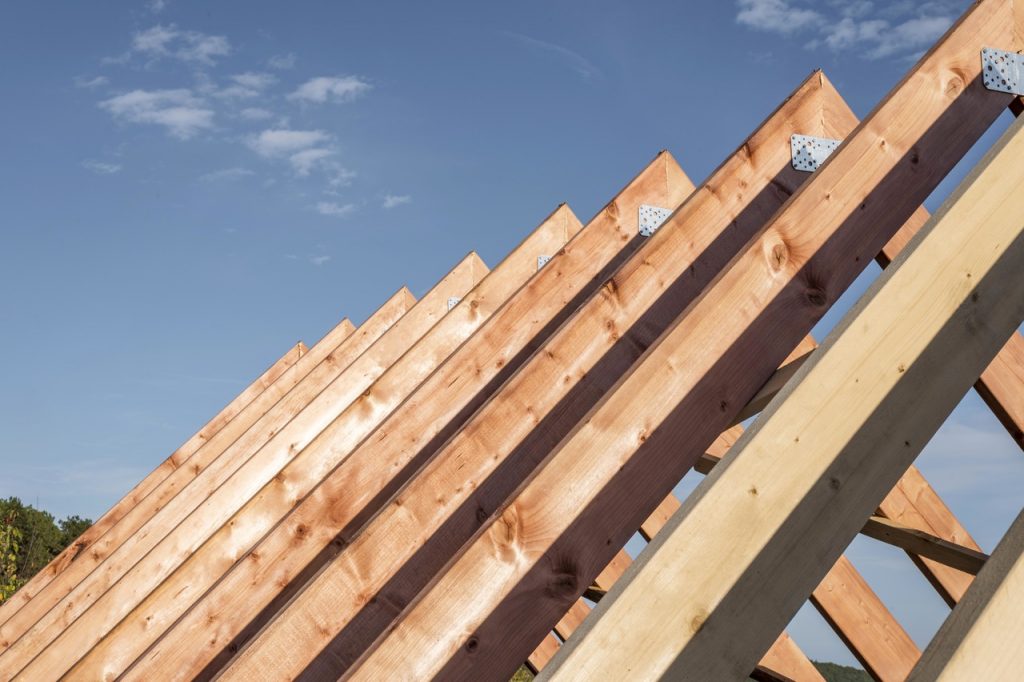
więźba dachowa
Photo by freepik, from: Freepik.com

Stage three – covering of the roof trusses, or foiling

In the next stage of roof construction, the rafter framing structure should be covered with vapour-proof foil which guarantees tightness and waterproofness of the whole structure. Most often the so called initial roofing foils are used, that is vapour-permeable foils through which the water vapour that has accumulated in the insulation layer will be able to evaporate freely outside. When installing the foil one has to remember about overlaps that will also influence the tightness of the roof. Each foil section should overlap the previous one by ca. 10 cm. Most producers mark the overlap thickness with lines drawn on the foil

Fourth stage – patching

Roof patching consists in nailing counter-battens to rafters and then, perpendicularly to them, roof battens. Counter-battens have to be fixed on opposite sides of the roof in such a way that they join in the ridge, that is, at the top of the roof. This installation will ensure proper ventilation between the roof membrane and the tiles.
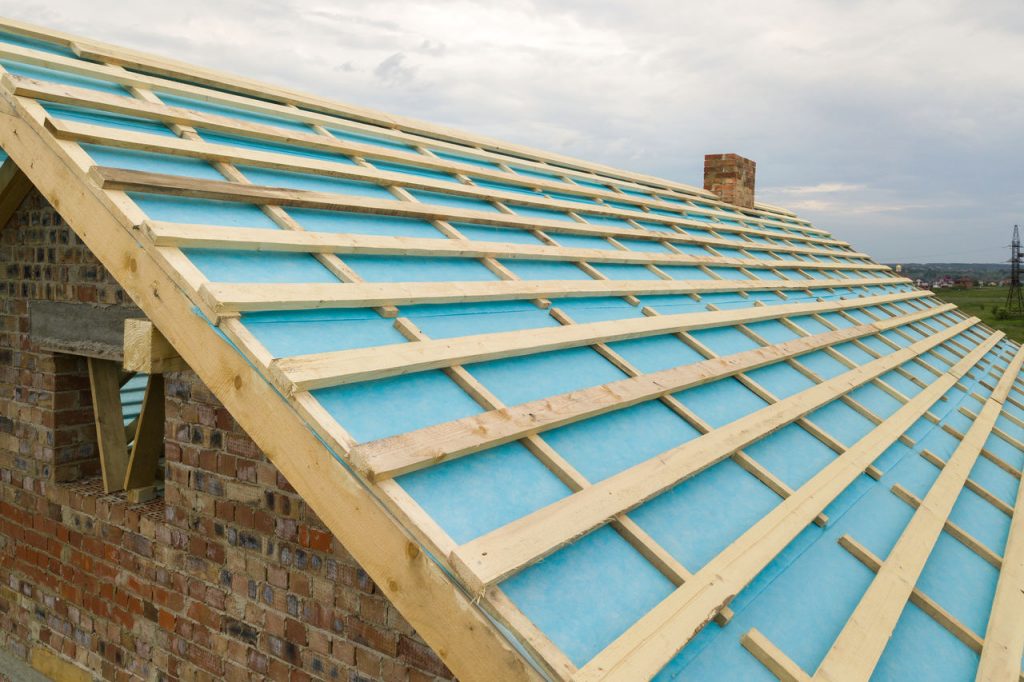
Photo by bilanol, from: Freepik.com

Fifth stage – installation of roof windows, eaves, gutters and other elements

At this stage, the roof is already in the right shape. Now it is time to install all the additional roof elements. Roof windows are installed first. An important role here is played by proper window flashing, which will ensure proper tightness of the entire roof structure

>> See also: How to protect the roof from moisture?

The next step is installation of a gutter strip and gutters, whose proper installation is also very important for proper drainage of rainwater, which will go to the gutter and not flow down the façade. The next stage is eaves construction, which consists in attaching eaves grating that prevents birds or small rodents from entering the roof.

Sixth stage – laying the roof covering

After completing the assembly of the supporting structure, waterproofing and installation of other elements it is time to lay the appropriate roofing. Tile or ceramic tile is the most popular choice. The market offer is huge. In terms of type and color, these products look great and also guarantee really good properties of the roof. The final stage of the roof construction is the insulation, which is done on the loft side, after all external works are finished.
Add comment

Your email address will not be published. Required fields are marked *

*

two + one =

Latest articles
Maximizing Small Spaces with Murphy Beds
Recommended articles
What to keep in mind when buying an anti-burglary door?
/
What to keep in mind when buying an anti-burglary door?
The security that burglar-proof doors provide is, for many, worth any price. What to look for when choosing this type of security and what to keep in mind? We give you a hint!
Durable and solid PVC windows
/
Durable and solid PVC windows
Choosing the right windows is quite a challenge. On the market you can find many models made of different materials In connection with this in recent years more and more popular began to enjoy the wooden windows, but this does not mean, however, that those made of PVC went completely away. They still have many advantages which speak for their purchase and installation. What are they? Here we discuss them Why are PVC windows the most popular choice? The popularity and ubiquity of PVC windows results first of all from their relatively low price - in comparison with other materials. At the same time they still provide very good parameters, for example those related to thermal insulation or soundproofing. In addition they look good regardless of the architectural style in which the building was constructed and are available in many colors to choose from to make it easier to match them in terms of style to the facade of the building or its surroundings. That's why they still haven't fallen out of the market in spite of high competition from wooden windows. 4 main advantages of PVC windows The above mentioned advantages of PVC windows are not the only ones. Apart from that you can also enumerate their four most important features, which speak for the purchase of just such models High resistance PVC windows are extremely resistant to various atmospheric factors. They are not destroyed under the influence of high and low temperatures or intense sunlight falling directly on their surface. Additionally, thanks to the fact that the material from which they are made does not absorb moisture, they are also resistant to mould and mildew and prevent the development of insects Long lasting durability Another advantage of PVC windows is their durability, which can be up to 50 years, thanks to which replacing windows with just such models can solve the problem associated with this element of the building structure for the entire generation of the family Excellent tightness In addition, PVC windows are also characterized by excellent acoustic insulation, or the ability to suppress sounds from outside the building. Therefore, they are recommended for installation in particular where there are busy traffic routes behind the window, playgrounds or other places generating high levels of noise. This parameter is also not without influence on the thermal insulation of PVC windows, which affects the reduced inflow of air from outside. This feature is extremely important especially during the heating period, because it has a positive effect on heating bills Easy care The last of the key advantages of PVC windows is the fact that in order for them to present themselves impeccably, apart from occasional cleaning of frames, they do not require almost any care, in comparison with wooden models, which should be painted protectively. Moreover, their cleaning itself does not require the purchase of specialized agents either. All you need is warm water with dishwashing liquid, a soft cloth and glass cleaner to restore their original splendour and cleanliness How to take care of PVC windows? In spite of the fact that after being installed in buildings PVC windows require almost no user's interference in their construction in order to fulfil their task efficiently, sometimes there are situations in which they need some attention. Such an eventuality may be a slight lowering of the window frame in the first year of its use. However, then it is enough to adjust them with a wrench to be able to enjoy their full functionality again To sum up, PVC windows are one of the best choices in case of buildings located in noisy neighbourhoods as they provide excellent acoustic insulation. Moreover, they don't require any complicated maintenance or upkeep and are guaranteed to last up to 50 years. All this combined with a low price makes them worth taking an interest in, choosing window fittings not only for houses but also for public buildings
How Can You Create a Pollinator-Friendly Garden?
/
How Can You Create a Pollinator-Friendly Garden?
Discover essential tips for transforming your garden into a haven for bees, butterflies, and other crucial pollinators, ensuring a thriving ecosystem.