Trending

How do I fasten bolts and studs?

How do I fasten bolts and studs?
/
/
Remodeling
It takes approx. 3 minutes to read this article

Sponsored article

When using fasteners such as screws, there are many things that tend to affect the performance of the joint. One of the most important technical issues is how tight the fastener was made. In most cases, the degree of tightening affects how well the fastener is seated.

The main rules to follow when tightening fasteners

When tightening bolts or other types of fasteners such as hex head screws, etc. etc., there are a few rules that are sure to come in handy. One of them is that you should aim to tighten the fastener within the limits of the fastener, not beyond those limits. For example, if a fastener is designed to withstand 900 Nm of torque, it would be unwise to tighten it tighter than that. This would leave you with little strength to handle external loads. In such cases, you may find that the fastener will break under even the slightest force, even though you have tightened it well.

In addition to using the right technique to make the final product efficient and durable, you need to get high quality fasteners. There are plenty of manufacturers on the market that offer these, but one worth noting is Kristal. This manufacturer of keyways and other products will provide every professional and DIY enthusiast with solid equipment that will be a pleasure to work with.
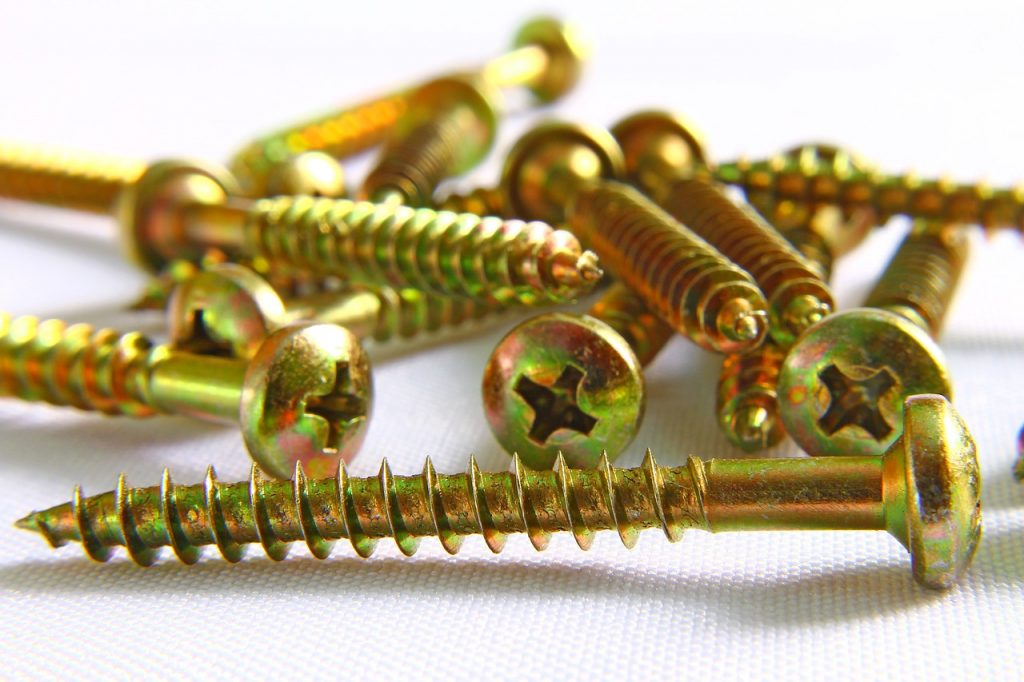
wkręty
Photo by Adriano Gadini from Pixabay.com

But back to the technique discussed above – this means that when tightening a bolt or other type of fastener, such as pins, which are available at https://www.kristal.net.pl/sworznie, you should not approach the product’s yield levels. Most torque wrenches provide readings within +/- 25% of the actual torque, which means it is very easy to exceed the limits even if the torque wrench is giving the correct reading.

What if you want to achieve the most accurate fastening of a bolt, stud, etc.?

The margins of error generated by most torque wrenches or even tightening by feel are unacceptable in some settings. For example, if you are fastening scientific equipment that is very sensitive, you may be able to do so with minimal error. In these cases, you’ll need to use more advanced methods to verify that the fastener is seated sufficiently. This includes using ultrasonic bolt length detection. It is also possible to drill a hole in the center of the fastener and attach strain gauges to it. This will give you a very high accuracy measurement of fastener tightening.

How to tighten a fastener – other factors you should consider

Not in all cases will you need to tighten a bolt as much as possible. In some cases, other factors will affect this. For example, if you need an exact amount of force between the two materials being tightened, it may be possible to achieve this without completely tightening the bolts and screws. Therefore, you must consider not only the physical limitations of the fasteners, but also the design specifications of the material you are working with.
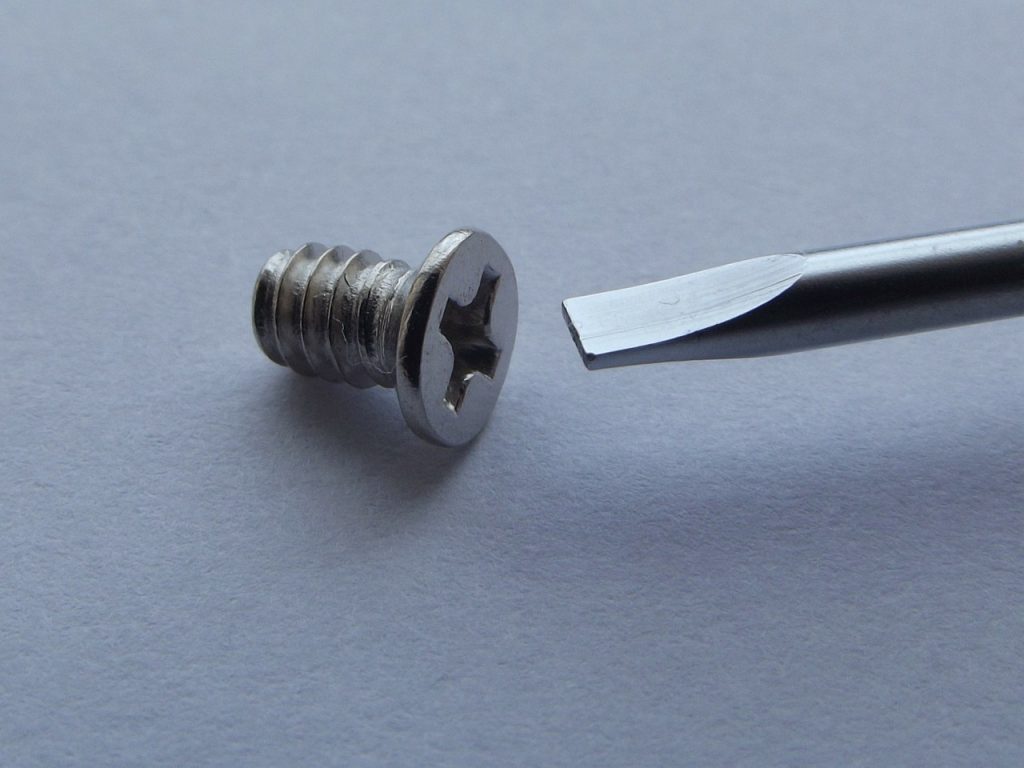
wkręt i śrubokręt
Photo by saulhm from Pixabay.com

When all is said and done, we come to the conclusion that the degree to which you should tighten a screw should not be chosen arbitrarily. If you want your fasteners to work well, you need to consider all of the above tips.

Add comment

Your email address will not be published. Required fields are marked *

*

4 × 3 =

Latest articles
Recommended articles
Exploring the Benefits of Modular Living Spaces
/
Exploring the Benefits of Modular Living Spaces
Discover how modular living spaces offer flexibility, efficiency, and environmental benefits, transforming residential and commercial areas with innovative design and functionality.
What should you know before building a fireplace?
/
What should you know before building a fireplace?
Living room with a fireplace has always been your dream? See what you need to know and take into account before building a fireplace.
Durable and solid PVC windows
/
Durable and solid PVC windows
Choosing the right windows is quite a challenge. On the market you can find many models made of different materials In connection with this in recent years more and more popular began to enjoy the wooden windows, but this does not mean, however, that those made of PVC went completely away. They still have many advantages which speak for their purchase and installation. What are they? Here we discuss them Why are PVC windows the most popular choice? The popularity and ubiquity of PVC windows results first of all from their relatively low price - in comparison with other materials. At the same time they still provide very good parameters, for example those related to thermal insulation or soundproofing. In addition they look good regardless of the architectural style in which the building was constructed and are available in many colors to choose from to make it easier to match them in terms of style to the facade of the building or its surroundings. That's why they still haven't fallen out of the market in spite of high competition from wooden windows. 4 main advantages of PVC windows The above mentioned advantages of PVC windows are not the only ones. Apart from that you can also enumerate their four most important features, which speak for the purchase of just such models High resistance PVC windows are extremely resistant to various atmospheric factors. They are not destroyed under the influence of high and low temperatures or intense sunlight falling directly on their surface. Additionally, thanks to the fact that the material from which they are made does not absorb moisture, they are also resistant to mould and mildew and prevent the development of insects Long lasting durability Another advantage of PVC windows is their durability, which can be up to 50 years, thanks to which replacing windows with just such models can solve the problem associated with this element of the building structure for the entire generation of the family Excellent tightness In addition, PVC windows are also characterized by excellent acoustic insulation, or the ability to suppress sounds from outside the building. Therefore, they are recommended for installation in particular where there are busy traffic routes behind the window, playgrounds or other places generating high levels of noise. This parameter is also not without influence on the thermal insulation of PVC windows, which affects the reduced inflow of air from outside. This feature is extremely important especially during the heating period, because it has a positive effect on heating bills Easy care The last of the key advantages of PVC windows is the fact that in order for them to present themselves impeccably, apart from occasional cleaning of frames, they do not require almost any care, in comparison with wooden models, which should be painted protectively. Moreover, their cleaning itself does not require the purchase of specialized agents either. All you need is warm water with dishwashing liquid, a soft cloth and glass cleaner to restore their original splendour and cleanliness How to take care of PVC windows? In spite of the fact that after being installed in buildings PVC windows require almost no user's interference in their construction in order to fulfil their task efficiently, sometimes there are situations in which they need some attention. Such an eventuality may be a slight lowering of the window frame in the first year of its use. However, then it is enough to adjust them with a wrench to be able to enjoy their full functionality again To sum up, PVC windows are one of the best choices in case of buildings located in noisy neighbourhoods as they provide excellent acoustic insulation. Moreover, they don't require any complicated maintenance or upkeep and are guaranteed to last up to 50 years. All this combined with a low price makes them worth taking an interest in, choosing window fittings not only for houses but also for public buildings