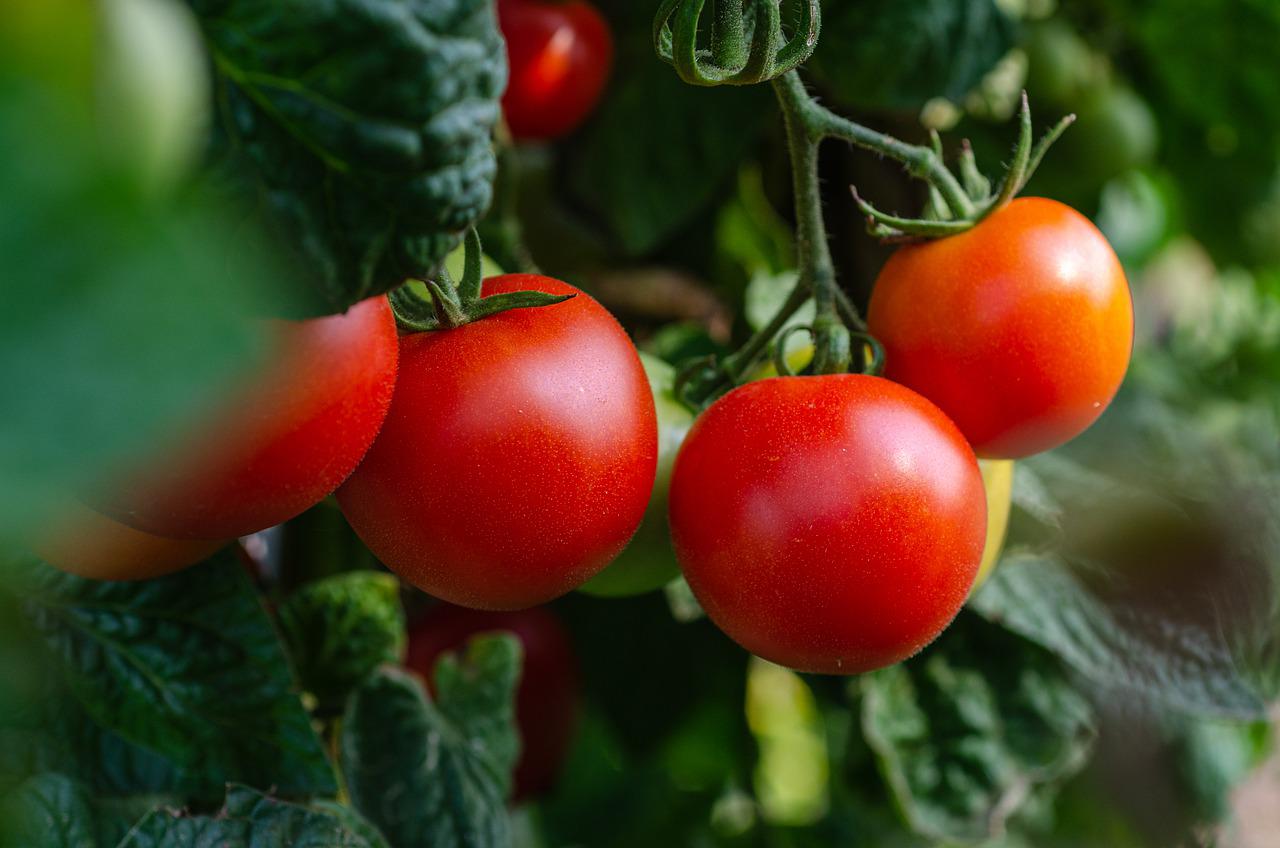
You don’t have to have a huge garden to make your dream of a vegetable corner come true. All you need is a small plot or even a box or a few larger pots to help you arrange your home vegetable garden.
Setting up a vegetable corner on your lawn starts with choosing the best spot. Find one that gets good sunlight (at least six hours a day) and is sheltered from the wind. Ideally, the garden should be located on the south side, away from the street and large trees and shrubs. Also pay attention to whether there is a source of water nearby, which will make it easier to water the plants. Alternatively, a long garden hose can come in handy. After choosing the place we can get down to more detailed designing of the vegetable corner.
Before planting plants, we need to take care of soil quality and prepare the area. For a vegetable corner, the best soil will be fertile and permeable, which heats up quickly. The most favorable soil is humus, dark brown or black in color, with visible fragments of dead plants. The reaction of the soil is also important. We can measure it with an acid meter. Soil for growing vegetables should be slightly acidic (pH 6-6.5).
After making sure that the chosen location has soil in which the plants will have good conditions for growth, we prepare the area. The soil is first cleared of weeds, stones, and leaves and then loosened with a hoe or spade. This loosens the soil structure and helps create spaces that can be filled with the air and water plants need. After loosening, rake the soil and fertilize. It is a good idea to set aside a place for a composter near the vegetable corner.
For a small garden, choose vegetables whose cultivation is not complicated and time-consuming. It’s worth planting radishes, lettuce, cucumbers, green beans, and carrots. When planting, remember that some plants adversely affect each other. You should avoid planting next to vegetables from the same group. We can plant next to each other, for example: carrots and onions, chives and garlic, pumpkins and beans or tomatoes and onions. Do not plant cucumbers and tomatoes, peas and beans or lettuce and parsley together.
In maintaining the aesthetic appearance of the vegetable corner, we can follow a few rules. Remember to place the tallest plants at the back or by a fence or building wall. In order not to damage the beds when tending vegetables, separate paths that will make it easier to move around. The optimum width of a bed should be about 120 cm and the path – 30 cm. The vegetable bed area can be symbolically marked out with stones, cubes or gravel. If you have children or animals, especially dogs and cats, the garden should be fenced with a net or rail fence. This will protect the beds from possible damage.
The vegetable corner can be varied with colorful borders, planting flowers around the designated area, such as lavender and velvet, or your favorite herbs. An interesting idea is also to arrange the home garden in large pots and wooden boxes, thanks to which such a vegetable garden looks elegant even on a small lawn.
main photo: pixabay.com/Kathas_Fotos