One of the most important choices to make when deciding on a home installation is the one between wall radiators and underfloor heating. Both have their proponents and opponents
Both underfloor heating and traditional radiators have advantages and disadvantages that you need to consider when choosing the type of installation for your own home or apartment. Comparing them, it is worth to pay attention, first of all, to costs, thermal comfort, efficiency, durability and possibility of regulation
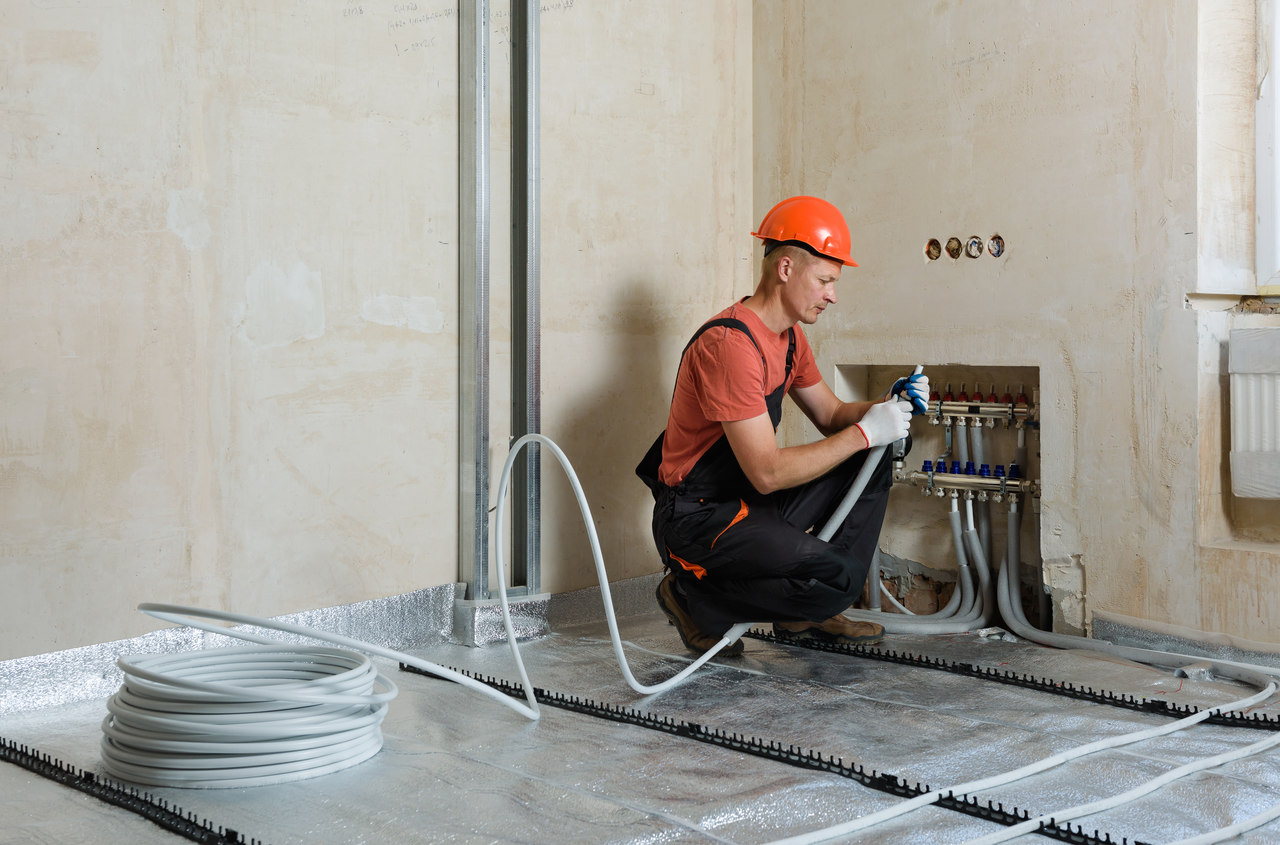
Floor heating is low-temperature heating. Water temperature of 40-60 Celsius degrees is enough to power it. That makes that heating water with heat pump, condensation boiler or solar panels is enough for efficient operation of this solution. Thus, underfloor heating is associated with lower heating costs than traditional radiators. Large surface and placement near the floor allow to decrease average temperature in the room by 1-2 degrees without noticeable deterioration of thermal comfort of household members. This translates into savings of even several percent of energy used so far during the year. Traditional radiators require heating water at a higher temperature, usually about 70 degrees Celsius. When connected to a heat pump or boiler they will have a lower efficiency than underfloor heating. Radiators are usually small in size, so more radiators or more powerful heating is needed to adequately heat the room. Both solutions increase operating or investment costs. It is worth taking this into account when decorating the apartment and choosing the right installation. It should be remembered that this is an investment and commitment for at least several years.
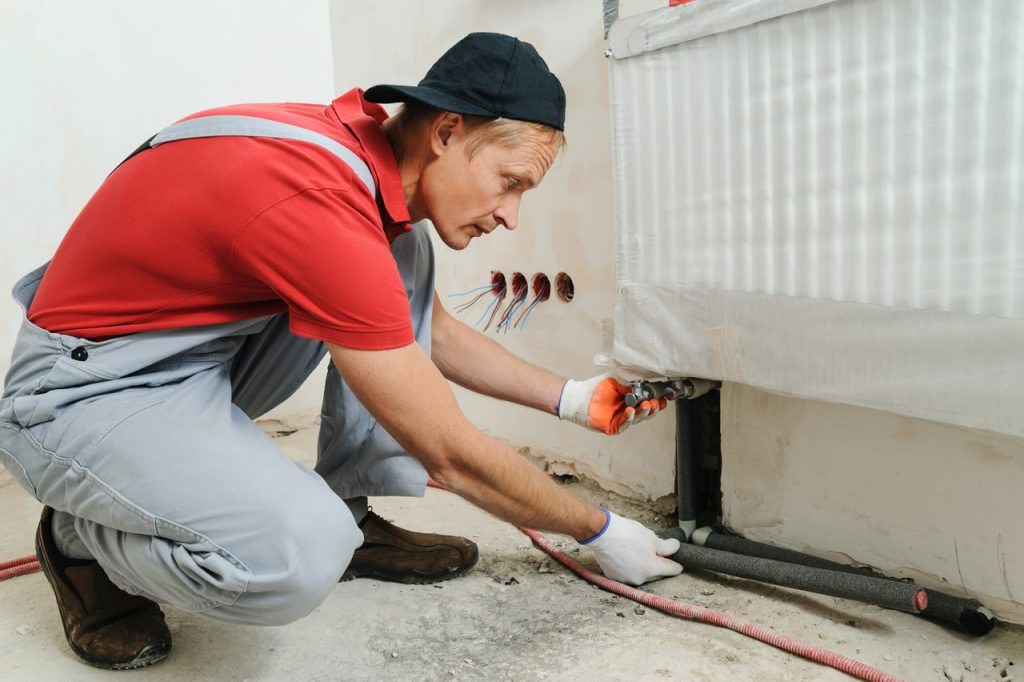
Deciding on underfloor heating, special attention should be paid to the design and careful execution. The installation must provide enough heat to make moving around the room comfortable. The type of flooring also affects the efficiency of such heating, as materials conduct heat differently. Due to the high thermal inertia, the installation should also be equipped with an automatically controlled thermostat, which will constantly adjust the heating power and temperature in the room. In the case of a major fault or the need for a change, you have to tear out the entire floor, so it is important that the project is done accurately. Radiators are much more convenient in terms of design, installation or possible renovation. They can also respond more quickly to changing room temperatures and allow for manual adjustment
Both solutions have their supporters and opponents. In addition to the parameters, such as the cost of maintenance and thermal efficiency, it is also worth looking at the less obvious aspects. The first of them is aesthetics. Underfloor heating is completely invisible, as it is installed under panels or tiles. Lack of pipes and other protruding elements allows for free arrangement of the room. Radiators are available in a wide variety of aesthetics, but they will always be an additional element and it is worth foreseeing them during interior design. The choice is so wide that selecting the appropriate shape, color and size should not be problematic. An additional advantage of floor heating is that it creates only minimal air movement. This is very important information for allergy sufferers, because it prevents excessive dust circulation, which would irritate respiratory tract. Radiators (especially convector heaters) have a much stronger effect on air movement, which can increase allergic symptoms. In conclusion, both solutions have their advantages and disadvantages, but it is impossible to say which of them is better. It is worth resolving this issue yourself, depending on your possibilities and preferences.