Sponsored article
Want to transform your backyard into a serene getaway, while also doing your part for the planet? This article will equip you with insights about sustainable design principles, eco-friendly materials and efficient water utilization techniques. Learn how to create a backyard retreat that is not only your perfect escape but also a haven for local flora and fauna.
Embracing sustainable design elements in your backyard planning can transform your outdoor space into an eco-friendly retreat. The utilization of native plants plays a pivotal role in ecological landscaping, as they require less water and maintenance, preserving resources while adding natural aesthetics. Advantages extend beyond simple beauty as they also provide the ideal habitats for local wildlife, promoting biodiversity in your own corner of nature.
Moreover, consider integrating shade trees into your sustainable design. They present an excellent strategy for reducing energy costs and carbon footprint. These natural coolants cut down on excessive heat during summer months. In the balance of beauty and ecological responsibility, a sustainable backyard retreat both enriches your living space and contributes positively to the environment.
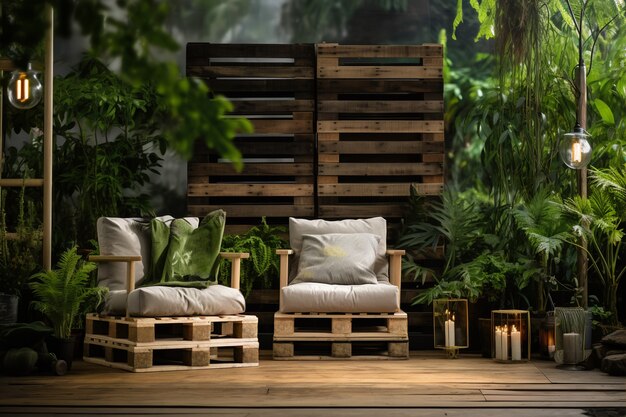
Designing a natural backyard retreat harmoniously teams up with the concept of using sustainable materials. The essence of this design principle is to make choices that respect our planet’s resources. To achieve this, there’s a treasure trove of hardscape and furniture options created from recycled or reclaimed materials. Reprocessed plastic, re-purposed wood, and even recycled metal could be excellent reusable and indeed durable materials for your dream retreat.
There’s also a wealth of sustainable garden products that cater to the ecological consciousness of enthusiastic green thumbs. For instance, organic fertilizers, non-toxic pest control remedies, and recycled plastic garden tools are perfect examples. Thus, embracing sustainable materials not only enhances the aesthetic appeal of your natural backyard but also contributes to a healthier environment.
Incorporating water-saving techniques into your backyard design not only contributes to a healthier environment, but also creates an eco-friendly backyard retreat. One of the most effective water conservation methods is the use of rain barrels. This technique involves collecting rainwater for future usage such as watering plants, thus reducing water waste.
Another fantastic method is the use of drip irrigation. This system allows water to drip slowly to the root of the plants, minimizing water evaporation. Drought-tolerant plants also play a significant role in water conservation, these plants require less water to thrive. Consider creating a list with the following suggestions for your backyard:
These techniques will not only reduce water usage but also provide a unique aesthetic appeal to your backyard retreat. Enjoy blissful relaxation in your new, sustainable paradise.